Author: Christopher Davin Chi, Jr

  • How Long Does Stone Restoration Take?

    How Long Does Stone Restoration Take? | Lifestyle Marble
    ★★★★★ 4.9 Google Rating
    117+ Five-Star Reviews
    Stone Restoration
    Marble Polishing
    Free Estimates Available
    ★★★★★ 4.9 Google Rating
    117+ Five-Star Reviews
    Stone Restoration
    Stone Restoration
    Free Estimates Available
    Stone Care Blog

    How Long Does Stone Restoration Take?

    Stone restoration can take a few hours, one full day, or several days depending on square footage, damage, stone type, repairs, and sealing.

    How Long Does Stone Restoration Take?

    stone restoration timeline is the focus of this guide. This article explains what homeowners and property managers should know before making decisions about natural stone care.

    Quick answer: Small projects may take hours. Full floors often take one or more days depending on size, damage, and finish.

    What Is a Typical Stone Restoration Timeline?

    The stone restoration timeline depends on the size of the area, the type of stone, the condition of the surface, and the services needed. A small countertop or bathroom may take a few hours. A large marble floor or commercial lobby may take one or more days.

    For most residential floors, professional stone restoration often takes one full day or multiple days depending on the square footage and level of damage.

    What Affects the Timeline?

    The biggest factors are square footage, furniture movement, stone condition, type of finish, stain removal, repairs, number of polishing steps, and sealing requirements.

    A lightly dull marble floor may only need cleaning, honing, polishing, and sealing. A heavily scratched or uneven floor may need diamond grinding and multiple honing passes.

    Small Projects

    Small projects like countertops, bathroom vanities, shower walls, or small entryways can often be completed in a few hours to one day.

    Small projects may take hours. Full floors often take one or more days depending on size, damage, and finish.

    Residential Floors

    Residential stone floors usually take longer because they involve furniture movement, masking, cleaning, honing, polishing, sealing, and final inspection.

    A smaller home area may be completed in one day. Larger homes, multiple rooms, or heavily worn floors may take two or more days.

    Commercial Projects

    Commercial stone restoration can take longer because of larger square footage, high traffic, access restrictions, and scheduling needs.

    Hotels, offices, restaurants, condominiums, and retail spaces often need phased work so the property can remain usable.

    Final Thoughts

    A professional estimate should include not only the price, but also the expected timeline, prep work, restoration steps, and aftercare instructions.

    Need Professional Stone Restoration?

    Lifestyle Marble Restoration provides professional marble polishing, travertine restoration, terrazzo care, granite resurfacing, tile and grout cleaning, sealing, and full stone restoration services throughout Palm Beach County and South Florida.

  • Questions to Ask Before Hiring a Stone Restoration Company

    Questions to Ask Before Hiring a Stone Restoration Company | Lifestyle Marble
    ★★★★★ 4.9 Google Rating
    117+ Five-Star Reviews
    Hiring Guide
    Marble Polishing
    Free Estimates Available
    ★★★★★ 4.9 Google Rating
    117+ Five-Star Reviews
    Hiring Guide
    Stone Restoration
    Free Estimates Available
    Stone Care Blog

    Questions to Ask Before Hiring a Stone Restoration Company

    Hiring the right stone restoration company matters. These questions help you avoid poor workmanship, hidden costs, and damage to your natural stone.

    Questions to Ask Before Hiring a Stone Restoration Company

    stone restoration questions is the focus of this guide. This article explains what homeowners and property managers should know before making decisions about natural stone care.

    Quick answer: Ask about stone type, process, protection, products, finish, sealing, timeline, and before-and-after work.

    Why Asking the Right Questions Matters

    Natural stone is expensive, and the wrong company can damage it. Before hiring anyone for marble polishing, travertine restoration, terrazzo restoration, stone sealing, or floor repair, it is important to ask the right questions.

    Good stone restoration questions help you understand the company’s experience, process, equipment, protection methods, pricing, and aftercare.

    1. What Types of Stone Do You Restore?

    Not every company understands every stone. Marble, travertine, terrazzo, granite, limestone, slate, and onyx all require different methods.

    Ask whether the company has experience with your specific stone and your specific surface, such as floors, countertops, showers, patios, or pool decks.

    2. What Process Will You Use?

    Ask whether the job requires cleaning, honing, diamond grinding, polishing, repair, filling, grout cleaning, or sealing.

    A professional should explain why each step is needed and what result you can expect.

    Ask about stone type, process, protection, products, finish, sealing, timeline, and before-and-after work.

    3. How Will You Protect My Property?

    Ask how they protect baseboards, cabinets, walls, furniture, transitions, appliances, and surrounding surfaces.

    Professional stone restoration can involve water, machines, slurry, and polishing compounds, so preparation matters.

    4. Is Sealing Included?

    Sealing is often an important final step after restoration. Ask whether sealing is included, what type of sealer will be used, and how long it needs to cure.

    Final Thoughts

    The right stone restoration company should be transparent, experienced, careful, and willing to explain the process.

    Need Professional Stone Restoration?

    Lifestyle Marble Restoration provides professional marble polishing, travertine restoration, terrazzo care, granite resurfacing, tile and grout cleaning, sealing, and full stone restoration services throughout Palm Beach County and South Florida.
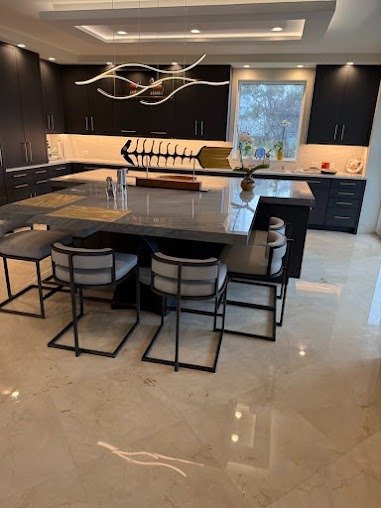
  • Is Stone Restoration Messy? Here’s What to Expect

    Is Stone Restoration Messy? Here’s What to Expect | Lifestyle Marble
    ★★★★★ 4.9 Google Rating
    117+ Five-Star Reviews
    Stone Restoration
    Marble Polishing
    Free Estimates Available
    ★★★★★ 4.9 Google Rating
    117+ Five-Star Reviews
    Stone Restoration
    Stone Restoration
    Free Estimates Available
    Stone Care Blog

    Is Stone Restoration Messy? Here’s What to Expect

    Stone restoration can sound messy, but a professional process should be controlled, protected, and cleaned up properly from start to finish.

    Is Stone Restoration Messy? Here’s What to Expect

    stone restoration process is the focus of this guide. This article explains what homeowners and property managers should know before making decisions about natural stone care.

    Quick answer: Professional stone restoration should be controlled, protected, and cleaned up properly — not left messy.

    Is Stone Restoration Messy?

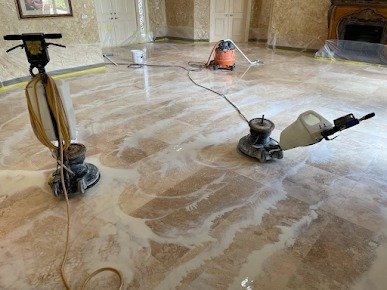
    Stone restoration can involve water, machines, polishing compounds, slurry, dust control, and protective materials, but it should not leave your home or business messy when done professionally.

    A trained stone restoration company should protect nearby cabinets, walls, baseboards, furniture, and transitions before work begins.

    What Happens Before Work Starts?

    The stone restoration process usually starts with an inspection and preparation. The team checks the stone condition and determines whether cleaning, honing, grinding, polishing, repairs, or sealing are needed.

    Before machines are used, surrounding surfaces should be covered or taped as needed.

    Will There Be Dust?

    Many stone restoration methods use water to control dust. Wet honing, wet polishing, and wet grinding help keep airborne dust low compared to dry sanding.

    There may still be some residue, slurry, or moisture during the process, but a professional crew should contain it and remove it as the work progresses.

    Professional stone restoration should be controlled, protected, and cleaned up properly — not left messy.

    What Is Slurry?

    Slurry is the wet residue created when water mixes with stone particles during grinding or honing. It is normal during certain restoration steps.

    A professional team uses wet vacuums and proper cleaning methods to remove slurry before it dries or spreads.

    How Professionals Keep the Job Clean

    A good stone restoration company uses tape, plastic, wet vacuums, controlled equipment, careful masking, and jobsite cleanup procedures.

    When the process is done correctly, the final result should be a cleaner, better-looking stone surface and a clean work area.

    Final Thoughts

    Stone restoration does involve equipment and materials, but it should not feel chaotic or careless. The right company will protect your property, control the work area, clean up properly, and explain what to expect.

    Need Professional Stone Restoration?

    Lifestyle Marble Restoration provides professional marble polishing, travertine restoration, terrazzo care, granite resurfacing, tile and grout cleaning, sealing, and full stone restoration services throughout Palm Beach County and South Florida.
  • Why Sealing Matters After Restoration

    Why Sealing Matters After Restoration | Lifestyle Marble
    ★★★★★ 4.9 Google Rating
    117+ Five-Star Reviews
    Stone Sealing
    Marble Polishing
    Free Estimates Available
    ★★★★★ 4.9 Google Rating
    117+ Five-Star Reviews
    Stone Sealing
    Stone Restoration
    Free Estimates Available
    Stone Care Blog

    Why Sealing Matters After Restoration

    After natural stone is restored, sealing helps protect the finish from stains, moisture, dirt, and everyday wear.

    Why Sealing Matters After Restoration

    seal stone after restoration is the focus of this guide. This article explains what homeowners and property managers should know before making decisions about natural stone care.

    Quick answer: Sealing helps protect restored stone from absorption, stains, moisture, and easier future maintenance.

    Why Seal Stone After Restoration?

    Sealing is one of the most important steps after stone restoration. Once marble, travertine, terrazzo, granite, or limestone has been cleaned, honed, polished, or repaired, sealing helps protect the surface.

    A sealer does not make stone completely stain-proof, but it helps reduce absorption and gives the stone more protection against spills, moisture, oils, and grime.

    What Stone Sealer Does

    A penetrating sealer absorbs into the stone and helps reduce how quickly liquids and stains enter the surface.

    This is especially important for porous stones like travertine, marble, limestone, and certain granites.

    What Sealer Does Not Do

    Sealer is not a magic shield. It does not stop scratches, prevent all stains, or make marble immune to etching.

    Acidic substances can still etch marble, limestone, and travertine even if the stone is sealed.

    Sealing helps protect restored stone from absorption, stains, moisture, and easier future maintenance.

    Which Stones Need Sealing?

    Marble, travertine, limestone, terrazzo, slate, and many granites can benefit from sealing. The need depends on stone type, location, porosity, and use.

    How Often Should Stone Be Sealed?

    There is no one-size-fits-all schedule. Some stone may need sealing every year, while other surfaces can go longer depending on use and porosity.

    If water quickly darkens or absorbs into the stone, it may be time to reseal.

    Final Thoughts

    Sealing after restoration helps protect your investment. It keeps natural stone easier to maintain and gives the restored surface a better chance of lasting.

    Need Professional Stone Restoration?

    Lifestyle Marble Restoration provides professional marble polishing, travertine restoration, terrazzo care, granite resurfacing, tile and grout cleaning, sealing, and full stone restoration services throughout Palm Beach County and South Florida.
  • Restore or Replace? Making the Right Choice for Worn Stone Floors

    Restore or Replace? Making the Right Choice for Worn Stone Floors | Lifestyle Marble
    ★★★★★ 4.9 Google Rating
    117+ Five-Star Reviews
    Stone Floors
    Marble Polishing
    Free Estimates Available
    ★★★★★ 4.9 Google Rating
    117+ Five-Star Reviews
    Stone Floors
    Stone Restoration
    Free Estimates Available
    Stone Care Blog

    Restore or Replace? Making the Right Choice for Worn Stone Floors

    Before replacing worn stone floors, learn when restoration can save the surface, reduce cost, and bring the floor back to life.

    Restore or Replace? Making the Right Choice for Worn Stone Floors

    restore or replace stone floors is the focus of this guide. This article explains what homeowners and property managers should know before making decisions about natural stone care.

    Quick answer: If the stone is structurally sound, restoration is often better than replacement. If it is broken or loose, replacement may be needed.

    Restore or Replace Stone Floors?

    When natural stone floors look dull, scratched, stained, or worn, many homeowners wonder whether they should restore or replace them. In many cases, restoration is the smarter first option.

    Natural stone is designed to last for decades. Marble, travertine, terrazzo, granite, and limestone can often be cleaned, honed, polished, repaired, and sealed instead of removed.

    When Restoration Makes Sense

    Restoration makes sense when the stone is still structurally sound but has surface problems. This includes dullness, scratches, etching, stains, dirty grout, traffic wear, or loss of shine.

    Professional restoration can remove surface damage, smooth the stone, bring back shine, repair small issues, and protect the floor with sealer.

    When Replacement May Be Needed

    Replacement may be needed when the stone is badly cracked, loose, hollow, broken, severely uneven, or damaged beyond surface restoration.

    If the subfloor has movement or moisture problems, replacing individual tiles or sections may be necessary before refinishing.

    If the stone is structurally sound, restoration is often better than replacement. If it is broken or loose, replacement may be needed.

    Cost Difference

    Replacing stone floors usually involves demolition, disposal, new material, labor, setting materials, grout, dust, downtime, and disruption.

    Restoration works with the stone already installed. That often makes it more cost-effective than replacement.

    Why Restoration Preserves Value

    Original natural stone can add character and value to a property. Terrazzo floors, marble foyers, and travertine living areas may be worth preserving instead of covering or replacing.

    Final Thoughts

    If your natural stone floors look worn, do not assume replacement is the only option. Many floors can be restored with cleaning, honing, polishing, repair, and sealing.

    Need Professional Stone Restoration?

    Lifestyle Marble Restoration provides professional marble polishing, travertine restoration, terrazzo care, granite resurfacing, tile and grout cleaning, sealing, and full stone restoration services throughout Palm Beach County and South Florida.
  • DIY Stone Restoration | When It Works and When It Doesn’t

    DIY Stone Restoration: When It Works and When It Doesn’t | Lifestyle Marble
    ★★★★★ 4.9 Google Rating
    117+ Five-Star Reviews
    Stone Care
    Marble Polishing
    Free Estimates Available
    ★★★★★ 4.9 Google Rating
    117+ Five-Star Reviews
    Stone Care
    Stone Restoration
    Free Estimates Available
    Stone Care Blog

    DIY Stone Restoration: When It Works and When It Doesn’t

    DIY stone care can help with simple maintenance, but full stone restoration often requires professional tools, products, and experience.

    DIY Stone Restoration: When It Works and When It Doesn’t

    DIY stone restoration is the focus of this guide. This article explains what homeowners and property managers should know before making decisions about natural stone care.

    Quick answer: DIY is good for maintenance. Professional restoration is better for scratches, etching, stains, dullness, repairs, and polishing.

    Can You Do DIY Stone Restoration?

    Some basic stone care can be done by homeowners, but full DIY stone restoration has limits. Cleaning, routine maintenance, and basic prevention are realistic. Deep scratches, etching, polishing, grinding, and repairs usually require professional help.

    Natural stone is sensitive to the wrong products and methods. Using the wrong cleaner, pad, or polishing compound can make the surface worse.

    When DIY Stone Care Works

    DIY stone care works well for regular cleaning and maintenance when the surface is in good condition.

    Using a pH-neutral stone-safe cleaner, soft microfiber pad, and proper spill cleanup can help protect marble, travertine, terrazzo, granite, and limestone.

    What Homeowners Can Safely Do

    Homeowners can usually handle light cleaning, dust mopping, spill cleanup, basic maintenance, and checking whether water absorbs into the stone.

    DIY is good for maintenance. Professional restoration is better for scratches, etching, stains, dullness, repairs, and polishing.

    When DIY Does Not Work

    DIY usually does not work when the stone has deep scratches, etching, stains, open travertine holes, dull traffic lanes, lippage, or loss of polish.

    These issues often require diamond abrasives, polishing compounds, weighted machines, wet vacuums, stain treatments, fillers, and professional sealers.

    Why DIY Marble Polishing Is Risky

    Marble is softer and more sensitive than many other stones. Acidic cleaners, wrong polishing powders, abrasive pads, or uneven hand polishing can cause more visible damage.

    Final Thoughts

    DIY stone restoration works for basic maintenance, but it does not replace professional restoration. Cleaning and prevention are safe when done correctly. Grinding, honing, polishing, repairs, and advanced stain removal should usually be handled by trained professionals.

    Need Professional Stone Restoration?

    Lifestyle Marble Restoration provides professional marble polishing, travertine restoration, terrazzo care, granite resurfacing, tile and grout cleaning, sealing, and full stone restoration services throughout Palm Beach County and South Florida.
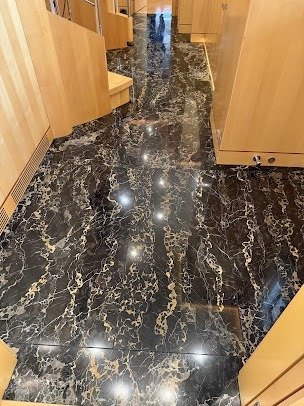
  • Diamond Grinding vs Honing | Stone Polishing Methods

    Diamond Grinding vs. Honing: Polishing Methods Explained | Lifestyle Marble
    ★★★★★ 4.9 Google Rating
    117+ Five-Star Reviews
    Stone Restoration
    Marble Polishing
    Free Estimates Available
    ★★★★★ 4.9 Google Rating
    117+ Five-Star Reviews
    Stone Restoration
    Stone Restoration
    Free Estimates Available
    Stone Care Blog

    Diamond Grinding vs. Honing: Polishing Methods Explained

    Diamond grinding and honing are two important stone restoration methods, but they are not the same. Grinding corrects deeper damage while honing smooths and refines the stone.

    Diamond Grinding vs. Honing: Polishing Methods Explained

    diamond grinding vs honing is the focus of this guide. This article explains what homeowners and property managers should know before making decisions about natural stone care.

    Quick answer: Grinding fixes deeper surface damage. Honing smooths and refines the stone before polishing or sealing.

    What Is Diamond Grinding?

    Diamond grinding is a more aggressive stone restoration method used to remove deeper damage from natural stone floors. It uses diamond abrasives to cut and level the surface of the stone.

    This process is commonly used when marble, terrazzo, travertine, or other natural stone has deep scratches, heavy wear, lippage, uneven tiles, stains, or surface damage that cannot be fixed with basic polishing.

    What Is Honing?

    Honing is a less aggressive refinishing process that smooths the stone and removes light scratches, etching, dullness, and wear. It can also create a matte, satin, or low-sheen finish.

    Honing is often used after diamond grinding, but it can also be done by itself when the stone does not need heavy leveling.

    Diamond Grinding vs Honing

    The main difference between diamond grinding vs honing is how much material is removed from the surface. Grinding is deeper and more corrective. Honing is smoother and more refined.

    A simple way to think about it: grinding fixes deeper problems; honing improves the finish.

    Grinding fixes deeper surface damage. Honing smooths and refines the stone before polishing or sealing.

    When Diamond Grinding Is Needed

    Diamond grinding may be needed when the stone has deep scratches, uneven tiles, lippage, heavy traffic wear, severe etching, old coatings, or damage that cannot be removed by polishing alone.

    When Honing Is Enough

    Honing may be enough when the stone is dull, lightly scratched, etched, or uneven in shine, but does not need heavy leveling.

    For marble floors with cloudy areas or light etching, honing can remove surface damage and prepare the stone for polishing.

    Final Thoughts

    Diamond grinding and honing both play important roles in stone restoration. Diamond grinding corrects deeper damage and uneven surfaces. Honing smooths the stone, removes lighter damage, and prepares the surface for the final finish.

    Need Professional Stone Restoration?

    Lifestyle Marble Restoration provides professional marble polishing, travertine restoration, terrazzo care, granite resurfacing, tile and grout cleaning, sealing, and full stone restoration services throughout Palm Beach County and South Florida.

  • How Much Does Stone Restoration Cost? | Palm Beach County Pricing Guide

    How Much Does Stone Restoration Cost? | Palm Beach County Pricing Guide

    ★ FREE COUNTERTOP POLISH WITH ANY JOB OVER $1,000 — Call (561) 756-7316 ★
    Pricing Guide May 2026 · 6 min read
    Lifestyle Marble Restoration Inc.

    How Much Does Stone
    Restoration Actually Cost?

    No vague ranges. No bait-and-switch estimates. Here’s the real breakdown of what marble, travertine, and terrazzo restoration costs in Palm Beach County — and exactly what drives the price up or down.

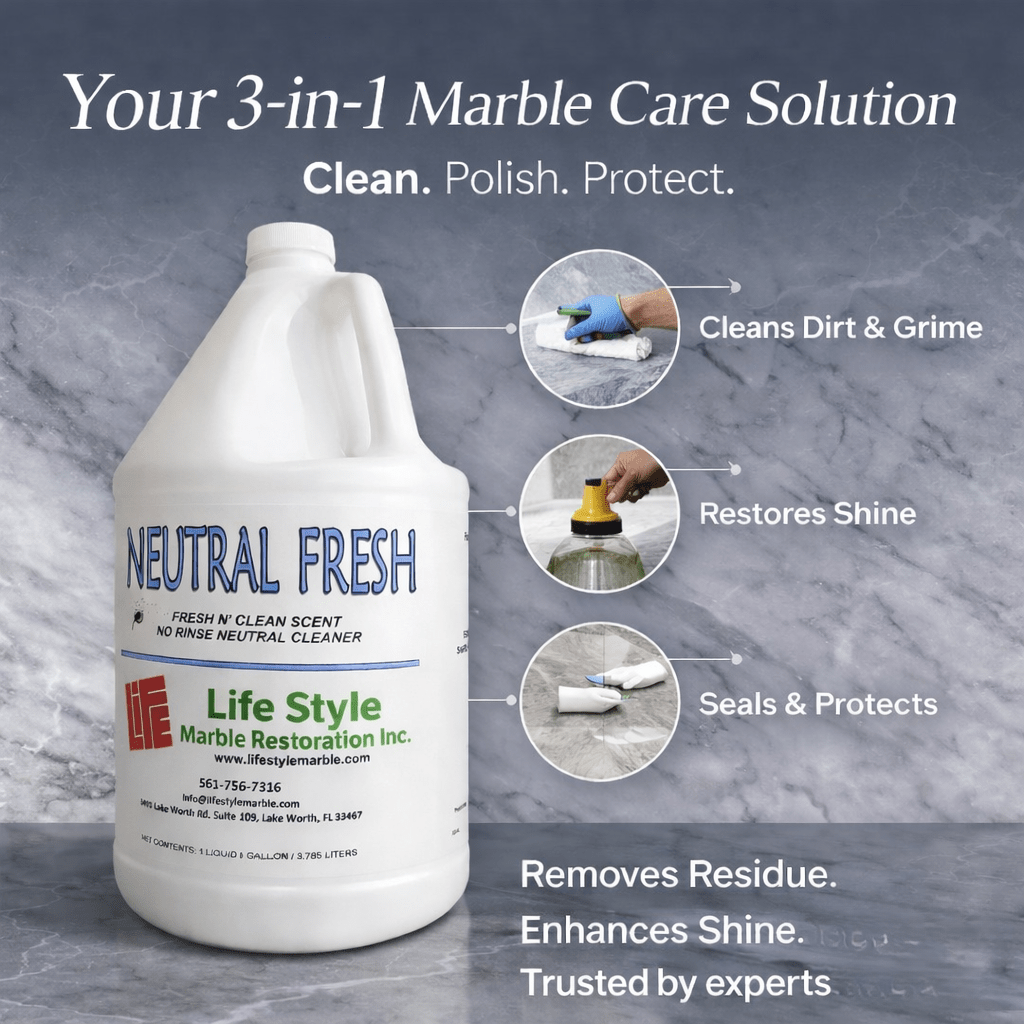
    Neutral Fresh Marble Cleaner
    Professional Grade
    Neutral Fresh Marble Cleaner
    3-in-1 Clean · Shine · Protect
    • pH-neutral — safe for all natural stone
    • Removes dirt, grime, oils & residue
    • No rinse required — streak-free
    • Trusted by Lifestyle Marble pros
    🎁 Free bottle with any service over $1,000 — applied automatically.

    The Quick Answer

    Professional stone restoration in Palm Beach County typically costs $2–$8 per square foot for residential projects, depending on the stone type, condition, and services required. Most homeowners spend between $800 and $3,500 for a complete restoration of a single area — foyer, kitchen, master bathroom, or living room floor.

    Those numbers sound wide because the range is real. A marble floor that needs a light polish and reseal is a very different job from a heavily etched travertine pool deck that requires diamond grinding, hole filling, and multiple coats of sealer. Below we break down exactly what drives cost — and what you actually get at each price point.

    Light Polish & Seal
    $2–$4
    per sq ft
    Minor dullness, no deep scratches. Clean, light diamond polish, reseal. Ideal for well-maintained marble needing a refresh.
    Heavy Restoration
    $6–$8+
    per sq ft
    Severe damage, deep scratches, lippage, travertine hole filling, or significant staining. Multiple diamond grinding passes required.

    What Drives the Cost Up or Down

    Stone restoration is not a flat-rate service — the price reflects the actual scope of work required. Here are the six factors that most directly affect what you’ll pay:

    FactorLower CostHigher Cost
    Stone conditionMinor dullness, light wearDeep scratches, heavy etching, staining
    Stone typeGranite (harder, faster)Marble, travertine (more delicate, more steps)
    Square footageLarger areas (efficiency)Small, tight spaces (setup time per sq ft)
    LocationOpen floor areasStairs, shower walls, pool decks, outdoor stone
    Travertine holesNot applicableFilling adds material & labor cost
    LippageEven tile edgesUneven edges require extra grinding passes

    Cost by Stone Type

    Marble Floor Restoration

    Marble is the most commonly restored stone in Palm Beach County and sits in the middle of the price range — typically $3–$6 per square foot for a full clean, grind, polish, and seal. Marble responds exceptionally well to diamond grinding and powder polishing, which means dramatic results are achievable even on heavily damaged floors. The higher end of the range applies to marble with significant etch mark damage or deep scratches requiring multiple diamond passes.

    Travertine Restoration

    Travertine restoration often runs $4–$7 per square foot due to the additional step of filling the stone’s natural holes with color-matched grout before honing and sealing. Pool decks and outdoor travertine may cost more due to the larger surface area, outdoor setup requirements, and the need for weather-resistant sealers formulated for Florida’s climate.

    Terrazzo Restoration

    Terrazzo restoration typically runs $3–$6 per square foot. Vintage terrazzo floors — common in Palm Beach County homes built in the 1950s–70s — are often found in excellent structural condition beneath carpet and respond beautifully to grinding and polishing. The range depends on whether crack repair or patching is needed and the size of the area.

    Countertop Restoration

    Marble and granite countertop restoration is typically priced by the linear foot or as a flat project rate rather than per square foot, since countertop areas are relatively small. Expect $150–$400 for a standard kitchen countertop depending on length, material, and damage level. Etched marble countertops around sinks are the most common countertop restoration request.

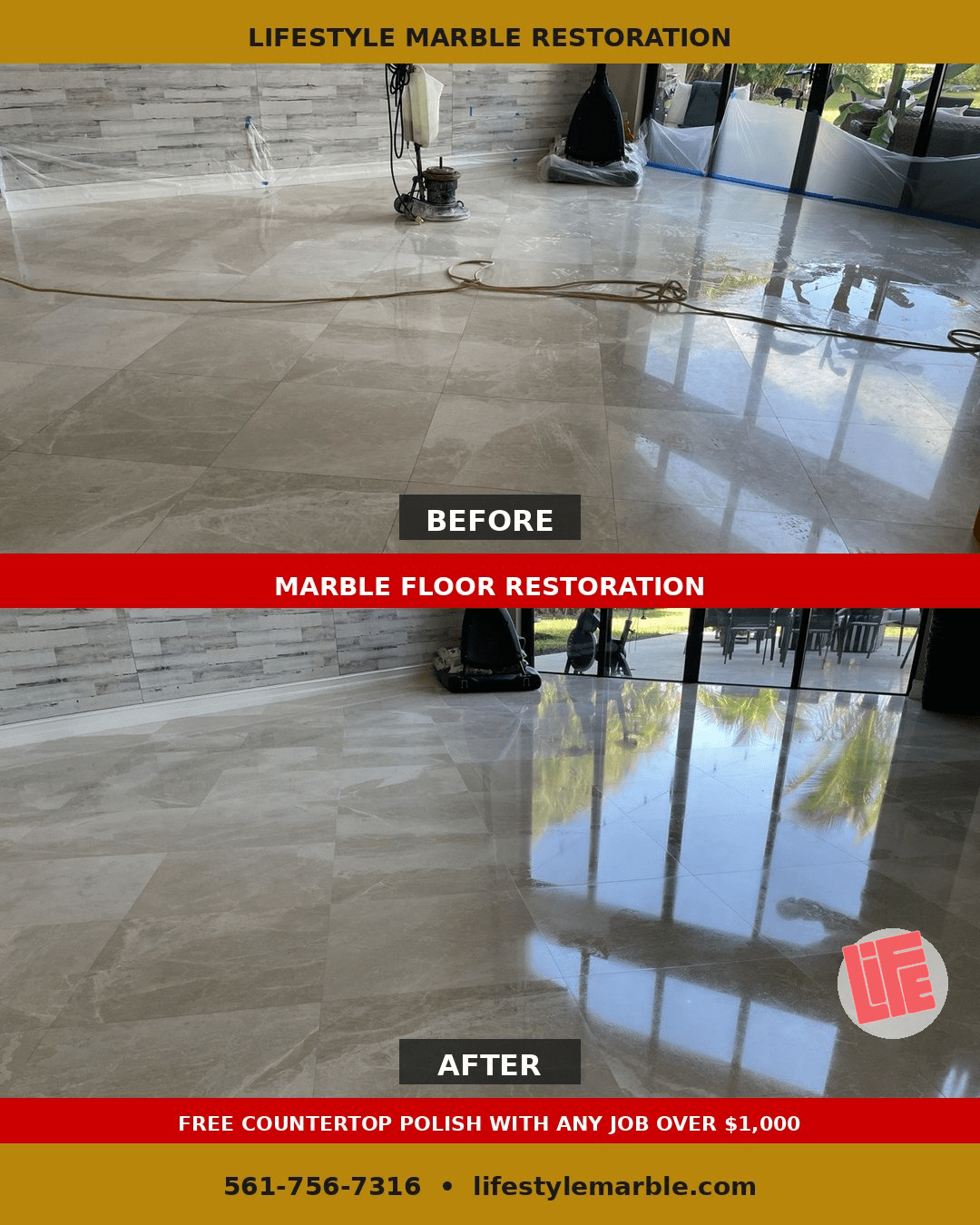
    Marble floor restoration before and after Palm Beach County

    A full marble floor restoration — clean, grind, polish, seal — typically runs $4–$6 per square foot in Palm Beach County.

    Want a real number for your specific floors?

    Book Free On-Site Estimate →

    Restoration vs. Replacement: The Real Math

    This comparison is worth doing once so you have it in writing. New marble flooring in Palm Beach County costs $15–$40 per square foot installed — and that’s before demolition, disposal, and the disruption of a full renovation project.

    Professional stone restoration costs $2–$8 per square foot. For a 500 square foot marble floor, that’s the difference between spending $7,500–$20,000 on new installation versus $1,000–$4,000 on restoration — with results that are visually identical to new stone.

    “Restoration is almost always the smarter financial decision. The only scenario where replacement makes sense is structural failure — which is rare in residential settings.” — Lifestyle Marble Restoration Team

    Beyond the upfront cost, a professionally restored and sealed floor requires less frequent professional attention going forward. Homeowners who invest in a full restoration and follow up with proper daily maintenance using a pH-neutral cleaner typically go 2–3 years before needing professional attention again.

    What Happens at a Free Estimate

    When we come to your property for a free on-site estimate, here’s what we’re actually evaluating — and what determines the number we give you:

    What We Assess During a Free Estimate

    • Stone type and variety: Calacatta marble behaves differently than Crema Marfil. Travertine from different quarries has different porosity. We identify the exact stone before pricing.
    • Damage level: We assess whether damage is light surface wear (polishable quickly), moderate etching and scratching (standard restoration), or severe structural damage requiring heavy diamond work.
    • Square footage: We measure the actual area requiring restoration — not the room size, since we work around cabinetry, islands, and fixtures.
    • Special requirements: Lippage, travertine holes, staining, outdoor stone, stairs, or shower walls all affect the scope and are evaluated on-site.
    • Sealer recommendation: We recommend the right sealer for your stone type, usage, and South Florida’s climate — and factor it into the estimate.

    The estimate we give you at the end of that visit is the price you pay. We do not add charges mid-job. No hidden fees, no surprise line items. If scope changes are needed for any reason, we discuss it with you before proceeding.

    Red Flags to Watch For When Getting Quotes

    Not all stone restoration companies price honestly. Here’s what to watch out for when comparing quotes in Palm Beach County:

    • Per-room flat pricing without seeing the stone: Any company quoting you a price over the phone without an on-site visit is guessing. Accurate stone restoration pricing requires seeing the actual condition of your floor.
    • Unusually low prices: Restoration that seems too cheap often means skipping steps — particularly the grinding passes that remove actual damage, or using low-grade sealers that break down quickly in Florida’s humidity.
    • No sealing included: A restoration job that doesn’t include sealing is incomplete. Unsealed stone will deteriorate faster and stain more easily. Sealing should always be the final step.
    • No reviews or verifiable track record: In a market with 4.9★ rated specialists available, there’s no reason to gamble on an unproven company for a job that affects your home’s value.

    Get a real, itemized quote — no guessing, no pressure.

    Schedule Free Estimate →

    The Bottom Line

    Stone restoration in Palm Beach County costs $2–$8 per square foot depending on stone type, damage level, and scope of work. Most residential projects land between $800 and $3,500. Compared to replacement at $15–$40 per square foot installed, restoration is almost always the more cost-effective path — and with the right company, the results are indistinguishable from new stone.

    The most accurate way to know what your project will cost is a free on-site estimate. We come to your property, assess your stone, measure the area, and give you a firm, itemized number before any work begins. No obligation, no pressure.

    What Our Clients Say

    Real Results from Real Homeowners

    ★★★★★

    “Marshall and team completed my home and neighbor’s. He was kind and honest. They did amazing work and cared about the details. Amazing work for a very good price.”

    — Verified Homeowner, Palm Beach County

    ★★★★★

    “Great prices, top tier customer service and quality work. Highly recommended. Best prices. Thank you Marshall!!!”

    — Irfan U., South Florida

    Find Out Exactly What Your Project Will Cost

    Free on-site estimates anywhere in Palm Beach County. We measure your stone, assess the damage, and give you a real number before any work begins. No pressure. No obligation.

    ★ FREE COUNTERTOP POLISH WITH ANY JOB OVER $1,000 ★

    8401 Lake Worth Rd, Suite 107, Lake Worth, FL 33467  |  Mon–Sat 7:30 AM – 5:00 PM  |  info@lifestylemarble.com

  • Stone Restoration Signs | When Natural Stone Needs Help

    Stone Restoration Signs | When Natural Stone Needs Help

    Signs Your Natural Stone Needs Professional Help | Lifestyle Marble
    ★★★★★ 4.9 Google Rating
    117+ Five-Star Reviews
    Stone Restoration Signs
    Marble Polishing
    Travertine Repair
    Free Estimates Available
    ★★★★★ 4.9 Google Rating
    117+ Five-Star Reviews
    Stone Restoration Signs
    Marble Polishing
    Travertine Repair
    Free Estimates Available
    Stone Care Blog

    Signs Your Natural Stone Needs Professional Help

    Natural stone can look strong on the surface, but scratches, dullness, stains, etching, holes, and worn sealer are warning signs that it may need professional restoration.

    Stone Restoration Signs You Should Not Ignore

    Natural stone is durable, elegant, and long-lasting, but it is not maintenance-free. Marble, travertine, terrazzo, granite, limestone, and other stone surfaces can slowly lose their shine, absorb stains, develop scratches, or become harder to clean over time.

    Knowing the most common stone restoration signs can help you fix small problems before they become expensive repairs. If your stone looks dull, rough, stained, etched, or worn even after cleaning, it may be time to call a professional.

    Quick answer: If your natural stone still looks dull, scratched, stained, cloudy, rough, or dirty after regular cleaning, it probably needs professional stone restoration.

    1. Your Stone Looks Dull Even After Cleaning

    One of the clearest signs your stone needs professional help is dullness that does not go away after cleaning. If you mop, scrub, or wipe the surface and it still looks flat or lifeless, the problem is usually not surface dirt. The finish itself may be worn down.

    This is especially common with marble floors, terrazzo floors, and high-traffic stone surfaces. Over time, shoes, sand, dirt, furniture movement, and improper cleaners can wear away the shine. Professional honing and polishing can restore the finish and bring back a cleaner, brighter appearance.

    2. You See Scratches or Traffic Patterns

    Scratches are a major sign that natural stone needs restoration. Fine scratches may look like cloudy areas, while deeper scratches may be easy to see under light. In busy areas, you may also notice traffic lanes where the stone looks more worn than the rest of the floor.

    Marble is more likely to scratch than granite, but all natural stone can show wear over time. Professional restoration can remove or reduce scratches using diamond honing, polishing, and proper refinishing methods.

    3. There Are Etch Marks or Cloudy Spots

    Etching is one of the most common problems with marble, limestone, and travertine. It often happens when acidic liquids or cleaners touch the stone. Lemon juice, vinegar, wine, tomato sauce, bathroom cleaners, and some household products can leave dull cloudy marks.

    Many people think etch marks are stains, but they are actually surface damage. Cleaning will not remove etching because the stone has been chemically affected. Professional honing and polishing are usually needed to correct the surface.

    If the stone looks clean but still has dull rings, cloudy marks, or flat spots, the problem may be etching — not dirt.

    4. Stains Are Not Coming Out

    If your stone has stains that do not come out with normal cleaning, it may need professional treatment. Oil, rust, wine, water, organic matter, and moisture can absorb into porous stone surfaces if the sealer is worn or missing.

    Stains can be especially noticeable on light marble, travertine, limestone, and certain granite surfaces. A professional can inspect the stain, determine what caused it, and use the proper stone-safe treatment to improve the appearance.

    5. Water Absorbs Quickly Into the Stone

    Natural stone often needs sealing to help protect it from stains and moisture. If water darkens the surface quickly or absorbs instead of staying on top, the sealer may be worn down.

    This is one of the most important stone restoration signs because worn sealer leaves the stone more vulnerable. Stone showers, countertops, travertine patios, pool decks, and high-traffic floors should be checked regularly for water absorption.

    6. Travertine Holes Are Opening Up

    Travertine naturally has small holes and pores. Over time, those holes can open, collect dirt, or become more noticeable. If the floor feels rough or you see open pits, the travertine may need cleaning, filling, honing, and sealing.

    Ignoring open holes can make the stone harder to clean and may allow more debris to collect inside the surface. Professional travertine restoration helps smooth the surface and improve the overall appearance.

    7. Your Grout Looks Dark, Dirty, or Uneven

    Dirty grout can make an entire stone floor look older than it really is. If the grout lines are dark, stained, uneven, or difficult to clean, professional tile and grout cleaning may be needed along with stone restoration.

    In some cases, the stone itself may still be in decent shape, but the grout makes the surface look neglected. Cleaning and sealing the grout can dramatically improve the look of the floor.

    8. The Stone Feels Rough Instead of Smooth

    Natural stone should feel smooth and consistent. If the surface feels rough, gritty, uneven, or textured in areas where it used to feel smooth, that may be a sign of wear, chemical damage, open pores, or sealer breakdown.

    Professional honing can smooth the surface and prepare it for polishing or sealing. This is often needed for marble, travertine, terrazzo, and limestone floors.

    9. Your Stone Shower Has Hard Water Buildup

    Stone showers face soap scum, hard water, body oils, moisture, and bathroom cleaners. Over time, this can create cloudy buildup, staining, mildew, and dull areas.

    If your marble or travertine shower looks cloudy even after cleaning, it may need professional restoration. Stone showers often require careful cleaning, polishing, grout work, and sealing to protect the surface from moisture.

    10. Your Floor No Longer Reflects Light

    A polished marble or terrazzo floor should reflect light clearly. If the floor looks hazy, cloudy, or flat, the polished finish may be worn down. This is common in entryways, hallways, kitchens, lobbies, and other areas with heavy use.

    Professional polishing can bring back reflection and depth, especially after the surface has been properly cleaned and honed.

    11. Cleaning Products Leave Residue or Streaks

    If your stone always looks streaky or sticky after cleaning, the surface may have residue buildup from the wrong products. Some cleaners leave films that dull the stone and attract more dirt.

    A professional deep cleaning can remove residue and prepare the stone for polishing or sealing. After restoration, it is best to maintain the surface with a pH-neutral stone-safe cleaner.

    12. The Stone Looks Worse in Sunlight or Under Bright Lights

    Bright light can reveal scratches, swirl marks, etching, and dull patches that are hard to see in normal lighting. If your stone looks uneven when sunlight hits it, the finish may need professional attention.

    This is common with marble floors, polished stone countertops, and commercial lobby floors where lighting makes imperfections more visible.

    Why You Should Not Wait Too Long

    Small stone problems are easier to fix early. Dullness, scratches, worn sealer, and light staining can often be corrected before they become severe. Waiting too long may allow stains to absorb deeper, holes to open wider, and scratches to become more noticeable.

    Professional stone restoration helps protect your investment and can often save money compared to replacement. Instead of removing the stone, restoration brings the existing surface back to life.

    Final Thoughts

    The most common stone restoration signs include dullness, scratches, etching, stains, rough texture, open travertine holes, dirty grout, hard water buildup, worn sealer, and loss of shine. If your natural stone still looks worn after cleaning, professional restoration may be the right solution.

    Marble, travertine, terrazzo, granite, limestone, and other natural stones can last for decades when they are properly maintained. The key is knowing when regular cleaning is no longer enough.

    Seeing These Stone Restoration Signs?

    Lifestyle Marble Restoration provides professional marble polishing, travertine restoration, terrazzo care, granite resurfacing, tile and grout cleaning, sealing, and full stone restoration services throughout Palm Beach County and South Florida.

  • Marble vs Granite | Which Stone Needs More Care?

    Marble vs Granite | Which Stone Needs More Care?

    Marble vs. Granite: Which Needs More TLC? | Lifestyle Marble
    ★★★★★ 4.9 Google Rating
    117+ Five-Star Reviews
    Marble Polishing
    Granite Resurfacing
    Stone Cleaning & Sealing
    Free Estimates Available
    ★★★★★ 4.9 Google Rating
    117+ Five-Star Reviews
    Marble Polishing
    Granite Resurfacing
    Stone Cleaning & Sealing
    Free Estimates Available
    Stone Care Blog

    Marble vs. Granite: Which Needs More TLC?

    Marble and granite are both beautiful natural stones, but they do not require the same level of care. Learn which one needs more maintenance, sealing, cleaning, polishing, and professional restoration.

    Marble vs Granite: Which Stone Needs More Care?

    When comparing marble vs granite, the biggest difference is maintenance. Both stones are beautiful, valuable, and long-lasting, but marble usually needs more TLC than granite. Marble is softer, more porous, and more sensitive to acidic substances. Granite is harder, denser, and more resistant to scratches, stains, and daily wear.

    That does not mean granite is maintenance-free. Granite still needs proper cleaning, sealing, and occasional professional care. But if you are choosing between marble and granite for floors, countertops, bathrooms, or commercial spaces, marble generally requires more careful cleaning, more frequent polishing, and more protection from spills and etching.

    Quick answer: Marble needs more TLC than granite because it is more likely to scratch, etch, stain, and lose its shine over time.

    Why Marble Needs More TLC

    Marble is a softer calcium-based natural stone. That is what gives marble its elegant veining and classic luxury look, but it also makes marble more sensitive than granite. Marble can react with acidic liquids like lemon juice, vinegar, wine, certain bathroom cleaners, and even some everyday household products.

    When acid touches marble, it can leave a dull mark known as etching. Many homeowners think etching is a stain, but it is actually surface damage. Cleaning alone usually will not remove etching. The stone often needs professional honing and polishing to restore the finish.

    Marble can also scratch more easily than granite, especially in high-traffic areas. Marble floors may lose their shine from sand, dirt, shoes, furniture movement, and daily use. This is why marble floors, countertops, and showers often need professional restoration over time.

    Why Granite Is More Durable

    Granite is much harder and denser than marble. It is more resistant to scratching, heat, and everyday wear. This is one reason granite has been so popular for kitchen countertops. It can handle more daily use without showing damage as quickly as marble.

    Granite is also less sensitive to acidic substances than marble. A spill that may etch marble immediately may not affect granite the same way. However, granite can still stain if it is not properly sealed, especially lighter-colored granite or stone with more absorbent areas.

    Granite may not need polishing as often as marble, but it still benefits from professional cleaning, sealing, and occasional resurfacing when it becomes dull, scratched, or worn.

    Marble is the more delicate stone. Granite is the more forgiving stone. Both need care, but marble demands more attention.

    Marble vs Granite Comparison

    Category Marble Granite
    Maintenance Level Higher maintenance and more delicate. Lower maintenance and more durable.
    Scratch Resistance More likely to scratch from sand, dirt, and daily traffic. More resistant to scratching.
    Etching Risk High risk from acidic spills and cleaners. Much lower risk compared to marble.
    Stain Resistance Can stain if not sealed and maintained properly. More stain-resistant but still needs sealing.
    Polishing Needs Usually needs polishing more often. Usually needs less frequent polishing.
    Best For Luxury floors, bathrooms, statement countertops, elegant interiors. Kitchens, countertops, high-use surfaces, durable stone applications.

    Cleaning Marble vs Granite

    Both marble and granite should be cleaned with stone-safe products. Harsh cleaners, bleach, vinegar, ammonia, and acidic products should be avoided, especially on marble. A pH-neutral stone cleaner is usually the safest choice for daily and weekly maintenance.

    Marble requires more careful cleaning because the wrong product can dull or etch the surface. Granite is more forgiving, but using the wrong cleaner over time can still cause residue, dullness, or sealer breakdown.

    For both stones, it is best to wipe spills quickly, use soft cloths or microfiber pads, avoid abrasive scrubbers, and keep sand or grit off the surface.

    Sealing Marble vs Granite

    Marble and granite can both benefit from sealing, but marble usually needs more attention. Because marble is more porous and more sensitive, sealing helps reduce the risk of staining and moisture absorption. Sealing does not stop etching, but it does help protect against stains.

    Granite should also be sealed when needed. Some granite is very dense and may not absorb much sealer, while other granite can absorb liquids more easily. The best approach is to test the surface and seal it when it begins absorbing water quickly.

    Polishing Marble vs Granite

    Marble typically needs professional polishing more often than granite. Marble floors can lose their shine from foot traffic, dirt, shoes, furniture movement, and improper cleaning products. Professional honing and polishing can remove dullness, scratches, and etching to bring the stone back to a clean finish.

    Granite is harder and more difficult to polish, but it can still become dull or scratched. Granite floor resurfacing or countertop polishing may be needed when the surface loses clarity, develops wear patterns, or no longer looks clean and even.

    Which Stone Is Better for Floors?

    For luxury appearance, marble is hard to beat. It gives a classic, elegant look that works beautifully in foyers, bathrooms, living areas, and high-end homes. But marble floors need consistent maintenance, especially in busy areas.

    Granite floors are more durable and can handle heavy use better, but they have a different look. Granite may be a better choice in areas where durability matters more than a soft luxury appearance.

    Which Stone Is Better for Countertops?

    Granite is usually easier to live with in kitchens because it is harder, more scratch-resistant, and more resistant to acidic spills. Marble countertops are beautiful, but they require more careful use. Lemon juice, wine, tomato sauce, vinegar, and certain cleaners can etch marble.

    If you want a countertop that is easier to maintain, granite is usually the safer choice. If you love the look of marble, you can still use it, but you should expect more maintenance and be careful with spills and cleaning products.

    When Marble Needs Professional Restoration

    Marble may need professional restoration when it looks dull, scratched, etched, stained, cloudy, or worn. If your marble no longer reflects light or still looks dirty after cleaning, the surface likely needs more than basic cleaning.

    • Etch marks from acidic spills or cleaners.
    • Scratches from foot traffic or abrasive dirt.
    • Dull areas where the shine has faded.
    • Stains from oils, liquids, or moisture.
    • Uneven finish or worn traffic lanes.

    When Granite Needs Professional Restoration

    Granite is tougher, but it can still need professional care. Granite restoration may be needed when the surface becomes dull, stained, scratched, uneven, or difficult to clean. Granite floors can also develop wear patterns in high-traffic areas.

    • Loss of shine or clarity.
    • Scratches or worn areas.
    • Stains from spills or moisture absorption.
    • Residue buildup from improper cleaning products.
    • Sealer failure or water absorption.

    So, Which Needs More TLC?

    Marble needs more TLC than granite. It is more delicate, more reactive, and more likely to show wear. Marble requires careful cleaning, more frequent polishing, and stronger protection against spills and acidic products.

    Granite is still a natural stone and should not be ignored, but it is generally easier to maintain. It is harder, more durable, and more resistant to daily damage.

    Final Thoughts

    When comparing marble vs granite, the right choice depends on your priorities. Marble offers timeless luxury and beauty, but it needs more maintenance. Granite offers durability and easier care, but it has a different appearance.

    No matter which stone you have, the right maintenance routine makes a major difference. Use stone-safe cleaners, seal when needed, avoid harsh chemicals, and schedule professional restoration when the surface becomes dull, scratched, stained, or worn.

    Need Marble or Granite Restoration?

    Lifestyle Marble Restoration provides professional marble polishing, granite resurfacing, stone cleaning, sealing, countertop restoration, and floor restoration services throughout Palm Beach County and South Florida.